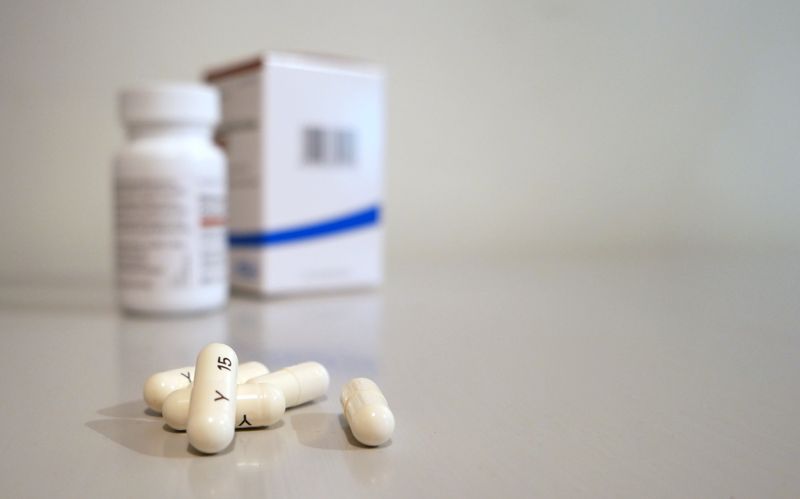
Generic vs Brand Name Drugs: What You Need to Know
Generic drugs contain the same active ingredient, dosage form, strength, route of administration, and intended use as their brand-name counterparts. The FDA requires generics to demonstrate bioequivalence, meaning they deliver the same amount of active ingredient to the bloodstream within the same timeframe. The typical variation allowed is 80-125% of the brand-name reference, which may sound wide but applies to both directions: brand-name drugs themselves can vary by the same margin between batches. Generics cost 80-85% less on average because manufacturers do not repeat the expensive clinical trials already conducted by the original developer.
By law, pharmacies must dispense the generic version unless the doctor specifically writes "dispense as written" on the prescription. Some patients report different side effects or efficacy with generics, which can be due to inactive ingredients (fillers, dyes, preservatives) that differ between manufacturers. The FDA Orange Book rates therapeutic equivalence with "AB" codes indicating interchangeable generics. In rare cases, for drugs with narrow therapeutic indices like warfarin or levothyroxine, switching brands requires monitoring..
Back to Blog